

Rollator For Seniors
Add a review FollowOverview
-
Founded Date September 3, 1913
-
Sectors Accounting
-
Posted Jobs 0
-
Viewed 75
Company Description
What’s The Current Job Market For Walking Support Professionals Like?
A Comprehensive Guide to Walking Frames: Enhancing Mobility and Independence
Walking frames, frequently referred to as walkers, are mobility help developed to help individuals in walking, especially those with minimal mobility, balance issues, or recovering from surgical treatment or health problem. These devices can significantly enhance one’s independence, permitting users to browse their environment with confidence and stability. In this post, we will check out the different types of walking frames, their advantages, crucial features to consider when picking one, and the correct use to optimize security and effectiveness. In addition, we will address some regularly asked questions to offer more clearness on this crucial topic.
Kinds Of Walking Frames
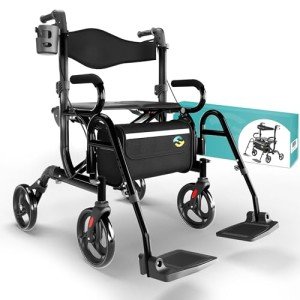
Walking frames are offered in numerous types to deal with the varied requirements of users. Below is a table describing the different kinds of walkers and their specific characteristics:
| Type | Description | Best For |
|---|---|---|
| Standard Ergonomic Walker | An easy frame that offers standard stability without any wheels. | Individuals needing maximum support, usually utilized indoors. |
| Wheeled Walker | A walker fitted with two or four wheels, making it easier to push. | Users with some mobility that do not need a great deal of upper body strength. |
| Rollator | A wheeled walker with a seat and brakes, enabling users to rest. | Those who might need to sit down often throughout their strolls. |
| Platform Walker | Features a platform for lower arms, supplying extra stability for people with restricted grip strength. | Users with severe upper body weak point or conditions like arthritis. |
| Hemi Walker | A walker designed for individuals who can use only one side of their body. | Stroke patients or people with hemiplegia. |
| Pediatric Walker | A Stylish Walker particularly created for kids, often adjustable and colorful. | Young children requiring support to enhance mobility. |
Advantages of Using a Walking Frame
Walking frames offer many advantages that can enhance the quality of life for users. Here are some crucial benefits:
- Improved Stability: Walking frames provide a stable base of support, reducing the danger of falls and injuries.
- Improved Mobility: With a walking frame, users can walk around more easily, assisting them preserve independence and engage in day-to-day activities.
- Increased Confidence: The included support permits users to feel more secure while walking, promoting self-assurance and a favorable mindset.
- Posture Support: Walking frames can help line up the body properly, decreasing pressure on the back and joints.
- Post-Surgery Recovery: Patients recovering from surgical treatment can gain from walkers to restore strength and enhance mobility slowly.
Key Features to Consider When Choosing a Walking Frame
When picking the ideal walking frame, people must think about several crucial features. Below is a checklist of factors to ponder:
- Weight Capacity: Ensure the walker can support the user’s weight securely.
- Height Adjustability: Look for a Heavy-Duty Walker that can be changed to fit the user’s height for optimum comfort and safety.
- Product: Consider lightweight materials like aluminum for easy maneuverability.
- Wheels vs. No Wheels: Depending on the user’s strength and stability, decide whether a wheeled or basic walker is more appropriate.
- Brakes: For wheeled walkers, make sure they include reliable brakes for included safety.
- Seat: If regular rest breaks are required, choose a walker with an integrated seat.
- Storage: Look for alternatives that consist of storage baskets or trays for bring individual products.
Table of Features to Compare Walking Frames
| Features | Standard Walker | Wheeled Walker | Ergonomic Rollator Walker | Platform Walker | Hemi Walker |
|---|---|---|---|---|---|
| Weight Capacity | Varies (approximately 300 lbs) | Varies (as much as 300 lbs) | Varies (as much as 350 lbs) | Varies (approximately 250 pounds) | Varies (approximately 250 lbs) |
| Height Adjustable | Yes | Yes | Yes | Yes | Yes |
| Product | Aluminum | Aluminum | Aluminum | Aluminum or Steel | Aluminum or Steel |
| Wheels | No | 2 or 4 Wheels | 4 Wheels | No | No |
| Brakes | N/A | Yes | Yes | N/A | N/A |
| Seat | No | No | Yes | No | No |
| Storage | No | Optional | Yes | No | No |
Correct Usage of a Walking Frame
To optimize the benefits and security of utilizing a walking frame, proper usage is essential. Here are important suggestions on how to utilize a walking frame effectively:
- Fitting: Ensure that the walker is correctly adapted to the user’s height. The handles need to align with the wrists when the user is standing straight.
- Weight Distribution: Users need to disperse their weight evenly through their arms, maintaining a relaxed grip on the handles.
- Walking Protocol: Move the walker ahead before entering it. For wheeled walkers and rollators, push carefully while Walking Support.
- Turning: Turn gradually and carefully to keep balance.
- Preventing Obstacles: Clear paths of any challenges to prevent tripping.
- Regular Maintenance: Periodically examine the walker for any loose parts or damage.
Frequently Asked Questions (FAQs)
1. How do I know which walking frame is ideal for me?
Selecting a walker depends upon your private requirements, physical capabilities, and the environments you plan to utilize it in. Consulting a health care expert or a physiotherapist can supply customized suggestions.
2. Can I utilize a walking frame outdoors?
Yes, lots of walkers are suitable for outdoor usage. However, it is necessary to select a design with wheels and brakes for much better motion and safety on irregular surface areas.
3. Do I require a prescription to get a walking frame?
In lots of cases, a prescription is not required, but it is a good idea to seek advice from a health care supplier, particularly for people recuperating from surgical treatment or injury.
4. How can I maintain my walking frame?
To extend the lifespan of your walker, regularly inspect for loose screws, tidy the frame with a wet cloth, and guarantee that wheels glide smoothly or braking systems work properly.
5. Can I tailor my walking frame?
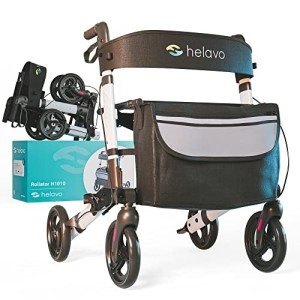
Some brands use customizable alternatives like various colors or accessories such as baskets and trays. Talk to providers to see what alternatives are offered for user choice and benefit.
Walking frames are valuable tools for individuals looking for to enhance their mobility and independence. With various types offered, comprehending their features and advantages enables users to make educated options tailored to their requirements. By using a walker correctly and performing routine upkeep, people can delight in boosted stability and security as they browse their everyday lives. Whether for rehabilitation or long-term use, walking frames can considerably contribute to a better quality of life.