

Vintage Espresso Machine
Add a review FollowOverview
-
Founded Date November 9, 1988
-
Sectors Restaurant
-
Posted Jobs 0
-
Viewed 72
Company Description
10 Things That Your Family Taught You About Espresso Coffee Machines
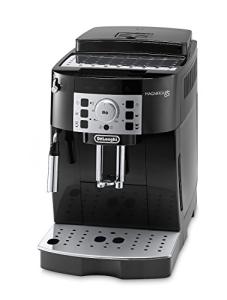
The Ultimate Guide to Espresso Coffee Machines
Espresso coffee machines have transformed the method coffee lovers prepare their preferred brews, permitting for the development of abundant, tasty espresso shots right in the house. With a myriad of options available, comprehending the various types of machines, their functions, and how they work is important for both beginners and experienced baristas alike. This comprehensive guide will delve into the world of espresso machines, discussing their types, key features, and some FAQs to assist in making a notified purchase.
Tabulation
- Intro to Espresso Coffee Machines
- Types of Espresso Machines
- Manual Espresso Machines
- Semi-Automatic Espresso Machines
- Automatic Espresso Machines
- Super-Automatic Espresso Machines
- Necessary Features to Consider
- Popular Brands of Espresso Machines
- Espresso Machine FAQs
- Conclusion
Intro to Espresso Coffee Machines
Espresso coffee is a developing method that uses pressure to extract coffee flavors from finely-ground coffee beans. The result is a focused shot of coffee, understood for its rich texture and robust flavor. To attain this, specialized espresso machines are needed. The option of an espresso machine can considerably affect the quality of the coffee, making it essential to comprehend the different types readily available in the market.
Kinds Of Espresso Machines
Understanding the types of espresso machines is crucial for any coffee enthusiast. Below is a breakdown of the primary classifications of espresso machines:
1. Manual Espresso Machines
Manual espresso machines need users to have a specific level of knowledge. Baristas require to by hand control the extraction process, consisting of grind size, tamping, and water pressure.
| Pros | Cons |
|---|---|
| Offers total control over developing | Learning curve for newbies |
| Usually more economical | Needs practice for consistency |
| Quality of Espresso Brewer is typically higher | Labor-intensive |
2. Semi-Automatic Espresso Machines
Semi-automatic machines offer a balance in between control and benefit. Users control the grind and tamping procedure, while the machine looks after the water pressure and timing.
| Pros | Cons |
|---|---|
| More control than totally automatic | Needs some skill and knowledge |
| Often has a steam wand for milk frothing | Can be cumbersome for some users |
| Versatile for different styles of coffee | Price can differ extensively |
3. Automatic Espresso Machines
Automatic machines automate the water circulation, permitting a more simple brewing process. Users still have some control over grind size and tamping.
| Pros | Cons |
|---|---|
| More consistent results | Typically more pricey |
| Less skill required than semi-automatic | Minimal control over developing criteria |
| Faster than manual machines | Some models can be large |
4. Super-Automatic Espresso Machines
Super-automatic machines are for those who want benefit without compromising quality. They grind, tamp, brew, and froth milk immediately.
| Pros | Cons |
|---|---|
| Very hassle-free | Higher price point |
| Minimal manual intervention required | Limited customization options |
| Fantastic consistency in outcomes | Can be intricate to tidy |
Necessary Features to Consider
When choosing an espresso machine, a number of features are very important to ensure quality and convenience:
-
Pump Pressure: Look for machines with at least 9 bars of pressure for optimum espresso extraction.
-
Boiler Type: Single-boiler machines are less costly but heat time can be longer. Dual-boiler machines can brew and steam all at once but come at a higher cost.
-
Grinder: Some machines include integrated mills, which provide convenience and ensure freshness. A different burr grinder is essential for attaining the best grind size.
-
Size and Capacity: Consider offered counter space and the number of drinks you usually prepare at as soon as.
-
Ease of Cleaning: Look for machines with detachable parts that can easily be cleaned up and preserved.
-
Milk Frothing System: If you take pleasure in lattes or coffees, think about a machine geared up with a quality steam wand or automatic frothing function.
Popular Brands of Espresso Machines
There are a number of reliable brands known for their quality espresso machines. Here’s a list of a few of the top competitors:
| Brand | Notable Features |
|---|---|
| Breville | Easy to use, flexible, great for beginners |
| Rancilio | Conventional Italian craftsmanship, popular amongst baristas |
| De’Longhi | Cost effective options with different features |
| Gaggia | Classic style, trustworthy efficiency |
| Saeco | Innovative functions, helpful for automation |
Espresso Machine FAQs
-
What is the difference between espresso and regular coffee?
- Espresso is brewed utilizing high pressure, leading to a focused Coffee Machine shot with an abundant flavor and crema, while routine coffee is generally brewed through techniques like drip or pour-over, causing a lighter flavor.
-
Do I need a pricey machine to make great espresso?
- While high-end machines typically produce exceptional results, you can still make great espresso at home with mid-range machines if paired with a quality grinder and fresh coffee beans.
-
How frequently should I clean my espresso machine?
- It is typically recommended to clean your machine after every usage. Routine descaling (every 1-3 months, depending upon water quality) is important to lengthen the machine’s life.
-
What sort of beans are best for espresso?
- Portable Espresso Maker blends are typically darker roasts, but individual taste plays a substantial function. Try out light and medium roasts to find your preference.
-
Can I use routine coffee beans in an Stainless Steel Espresso Machine machine?
- Yes, you can utilize regular coffee beans, however for optimal outcomes, espresso-specific blends are recommended for flavor and extraction.
Espresso coffee machines are a gateway into the rich and delicious world of espresso. Understanding the various types, crucial features, and factors to consider can significantly improve the coffee experience in your home. Whether choosing a manual machine that provides total control or a super-automatic machine for convenience, there’s an espresso machine out there for each choice and skill level. With the ideal equipment and a little practice, anyone can brew a delicious espresso shot and take pleasure in café-quality coffee in the convenience of their own kitchen area.